Choosing the right ski suit can significantly affect your skiing experience. Renowned expert Sarah Thompson, a professional skier and ski gear consultant, states, “A quality ski suit keeps you warm, dry, and agile on the slopes.” This emphasizes the importance of selecting a well-made ski suit for safety and performance.
Ski suits are designed for functionality and comfort. The right material protects against cold, wind, and moisture. High-quality ski suits often feature breathable fabrics. Consider aspects like insulation, waterproofing, and fit. These details matter when tackling challenging trails or enjoying leisurely runs with friends.
There are many options in the market. Not all suits are created equal. It can be overwhelming to find one that meets your needs. Remember, a cheap ski suit might let you down on a chilly day. Investing in a reliable ski suit is essential for any winter adventure. Consider both your budget and your skiing frequency. It’s worth taking the time to find the perfect fit.
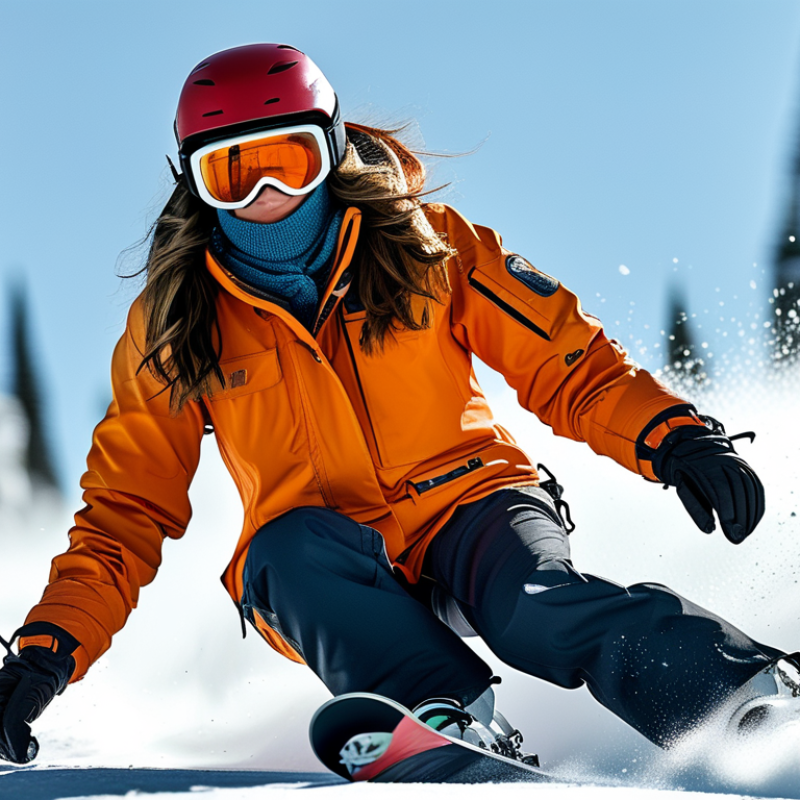
Choosing the right ski suit is crucial for safety and comfort on the slopes. A good ski suit protects against cold, wind, and moisture. Proper insulation keeps your body warm. Waterproof materials prevent snow and water from getting in. Each of these factors contributes to an enjoyable experience.
When selecting a ski suit, consider fit and mobility. A suit that is too tight restricts movement. You need to ski freely. Look for suits with adjustable features like cuffs and hoods. They enhance comfort and keep warmth in.
Tips for choosing a ski suit include checking for ventilation options. This is important for regulating body heat on those long runs. Also, pay attention to layering. Good base layers are essential beneath your ski suit. Don’t overlook pockets; they help carry essentials conveniently. Remember, the right suit can make or break your day on the mountain.
Choosing the right ski suit can face challenges. Quality matters, especially when considering insulation, waterproofing, and breathability. A good ski suit should provide warmth without adding bulk. Look for materials that trap heat but allow moisture to escape. This balance is crucial for comfort on the slopes, especially after hours of physical activity.
Waterproofing is equally important. Ski suits must withstand wet conditions from snow and ice. Breathing is necessary to prevent overheating. A suit that does not regulate temperature can leave you feeling chilled or overheated. Pay attention to features like ventilation zippers. They can enhance airflow without sacrificing insulation.
Reflecting on personal needs can help in making the best choice. Understanding what works for you is key. Not every suit will meet all your needs. It's essential to try on different styles and materials. Each person's experience with insulation and breathability may vary. Ultimately, the right ski suit enhances your adventure, making it enjoyable and memorable.
Choosing the right ski suit can greatly impact your performance on the slopes. Industry statistics indicate that skiers wearing well-fitted, high-quality suits experience less fatigue and better mobility. A flexible design allows for a full range of motion, essential for maneuvering through tricky terrains.
Additionally, insulation plays a crucial role. Ski suits with effective temperature regulation keep you warm without overheating. Notably, moisture-wicking materials help maintain comfort by managing sweat. Many skiers report improved focus and endurance when they feel comfortable in their gear.
Nevertheless, it’s important to recognize that the perfect ski suit varies for each person. Body type, skiing style, and personal preference all influence the best choice. Investing time in research can lead to a more enjoyable experience. Approach recommendations with caution, as what works for one may not suit another.
Choosing the right ski suit material can significantly impact your experience on the slopes. Each fabric has its strengths and weaknesses. For instance, synthetic materials like polyester offer excellent moisture-wicking capabilities. They keep you dry during intense activities. However, they might not breathe as well as some natural fabrics.
On the other hand, natural fibers like merino wool excel in temperature regulation. They provide warmth without overheating, making them comfortable for varying conditions. Yet, they can be less durable and require more care when washing. Additionally, their price point can be a barrier for some.
When selecting materials, consider your skiing style and local climate. If you’re skiing in wet conditions, a waterproof shell could be essential. However, in drier climates, breathability takes priority. It’s crucial to reflect on your personal needs. Not every material works for everyone. Balancing durability, warmth, and comfort is vital for an enjoyable skiing adventure.
When selecting a ski suit, consider your skill level. Beginners often benefit from suits with insulation and a relaxed fit. These features provide warmth and comfort during falls. Advanced skiers might prefer lightweight options that allow for better mobility. They often engage in demanding activities, needing flexibility.
The environment also plays a crucial role. If skiing in harsh weather, opt for water-resistant and windproof materials. Look for suits with breathable fabrics to manage sweat. Different terrains require specific attributes. For off-piste skiing, durability against abrasion is vital. For groomed slopes, a streamlined design is more suitable.
Don’t overlook the importance of fit. A suit that is too tight restricts movement. A loose suit might let warmth escape. Pay attention to layer compatibility as well. Layering is essential for temperature control. Each person’s body heat differs, and you may find yourself adjusting layers frequently. Consider how your ski suit will interact with your clothing beneath it. Enthusiasts often learn this through trial and error. Take note of what works and what doesn’t for your unique adventures.
: A suitable ski suit ensures safety and comfort while skiing. It protects against cold, wind, and moisture.
The fit is crucial for mobility. A suit too tight restricts movement, while a loose one may let warmth escape.
Look for water-resistant and breathable materials. Synthetic fabrics are good for moisture, while natural fibers excel at temperature regulation.
Beginners should choose insulated suits with a relaxed fit. Advanced skiers might prefer lighter suits for better mobility.
Layering helps regulate body temperature. It allows for adjustments based on your activity level and body heat.
Adjustable cuffs and hoods improve fit and help retain warmth. Ventilation options also help regulate body heat effectively.
Yes, environmental conditions are important. Harsh weather requires water-resistant, windproof fabric, while drier areas need breathability.
Consider your activities and local climate. Reflect on what attributes are essential for your skiing style and adjust your preferences.
Yes, some natural fibers can require more care and are less durable. Synthetic materials may lack breathability under intense activity.
Experiment with layers and adjustments. Learning what works for your body might take time, so be open to adaptations.
Choosing the right ski suit is crucial for ensuring safety and comfort during your winter adventures. A high-quality ski suit should provide adequate insulation, effective waterproofing, and enhanced breathability to keep you warm and dry while allowing for optimal movement. Understanding the key features of ski suits, alongside industry statistics that demonstrate how the appropriate gear can enhance performance, can significantly impact your skiing experience.
When selecting a ski suit, it's essential to consider the materials used, as each type has its own pros and cons. Factors such as your skill level and the specific environment in which you'll be skiing should also inform your decision. By taking these elements into account, you can find the best ski suit that meets your needs, helps you perform at your best, and keeps you comfortable on the slopes.

Yuelei