How to Choose a Snow Suit for Global Buyers in 2026?

Time:2026-09-13 Author:Madeline
0%

Choosing a snow suit in 2026 requires more than comparing colors, prices, and insulation labels. Global buyers face different climates, customer expectations, and supply conditions. A suit designed for dry alpine cold may perform poorly in wet coastal snow.

Yvon Chouinard, Patagonia’s founder, has said, “The best thing you can do for the planet is to buy less stuff.” That principle matters when evaluating a snow suit for children, workers, or winter travelers. Durable fabric, repairable seams, strong zippers, and replaceable components can reduce repeated purchasing. Still, durability should not become an excuse for ignoring comfort or updated safety expectations.

Look closely at the details. A waterproof outer layer should resist heavy, melting snow. Breathable panels can reduce sweat during uphill movement. Synthetic insulation often dries faster than down in damp conditions. Adjustable cuffs, helmet-compatible hoods, and reinforced knees make a visible difference in real use. Test the suit with gloves, base layers, and a backpack.

Fit is often underestimated.

For international buyers, sizing needs careful checking. A European medium may not match an Asian or North American medium. Request measurement charts, sample approvals, and wash-test results before placing large orders. Ask suppliers how insulation performance changes after repeated cleaning. This question is easy to miss.

The ideal snow suit is not always the thickest one. It should match temperature, activity level, moisture, mobility, and intended market. I would also review packaging and repair support, although these factors are sometimes treated as secondary. They should not be. A warm suit that restricts movement, leaks at the cuffs, or fails after one season is not a reliable purchase.
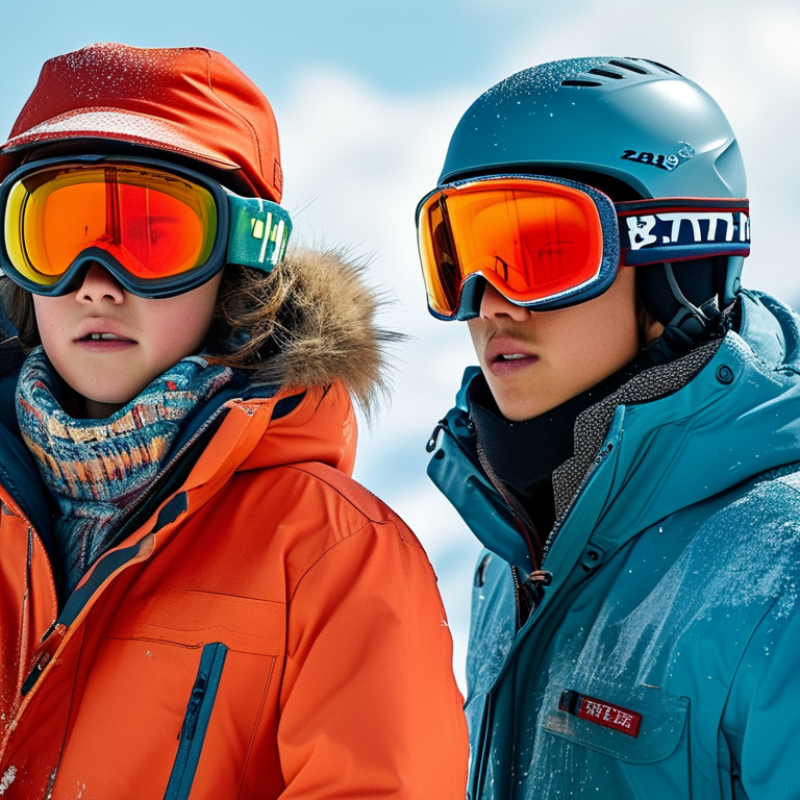
How to Choose a Snow Suit for Global Buyers in 2026?

Understanding Snow Suit Types for Different Climates and Activities

How to Choose a Snow Suit for Global Buyers in 2026?

Understanding Snow Suit Types for Different Climates and Activities

A snow suit should match the weather and the way you move. For dry, severe cold, choose an insulated one-piece suit with sealed seams and adjustable cuffs. It reduces gaps around the waist and keeps snow outside. In milder, wet climates, a two-piece suit may work better. Pair a waterproof shell with removable insulation. This setup adapts when temperatures change during the day. Soft, breathable fabrics also matter during hiking or active play.

A loose, insulated suit suits young children and relaxed outdoor activities. Skiers and snowboarders may prefer articulated trousers with stronger knee panels. For city travel, lighter suits can offer warmth without excessive bulk. Check the waterproof rating, breathability, zipper coverage, and hood adjustment. Small details matter. A covered zipper can prevent cold air from reaching the chest. I once chose warmth over mobility, and climbing simple steps became awkward. That choice taught me to test movement before judging insulation.

Tips: Match insulation to activity level, not only temperature. Leave room for one thin base layer, but avoid oversized sleeves. Test the suit while bending, sitting, and lifting both arms. Inspect stitching and closures carefully. Buyers in coastal regions should prioritize water resistance, while buyers in dry continental climates may need stronger insulation. Size charts are useful, but measurements can vary. Allow a small margin for layering, then check the seller’s return terms.

Matching Insulation, Waterproofing, and Breathability to Weather Conditions

Choosing a snow suit for global buyers starts with local weather, not appearance. A dry mountain climate needs stronger insulation for low temperatures and sharp wind. Wet coastal snow demands better waterproofing and sealed seams. In milder regions, excessive insulation can cause overheating during active movement.

I compare insulation type, fill weight, and garment construction before making a decision. Synthetic insulation usually performs more reliably in damp conditions. Down can provide excellent warmth, but it needs protection from moisture. A waterproof rating helps, yet numbers alone are not enough. Zipper covers, storm flaps, and taped seams also matter. Small gaps can quickly become cold, wet problems.

Breathability is equally important for skiing, hiking, or playing outdoors. A breathable shell helps release sweat during uphill movement. Otherwise, moisture may cool the body later. I look for published breathability data and test whether ventilation openings are practical with gloves. Fit deserves attention too. Room for layers is useful, but loose cuffs can let snow enter. I once chose a suit that felt warm in a shop but restricted movement outside. That mistake changed my checklist. Buyers should consider wind, humidity, activity level, and washing habits together. No snow suit performs perfectly in every climate.

How to Choose a Snow Suit for Global Buyers in 2026?

Match insulation, waterproofing, and breathability to the expected weather conditions.

Recommended targets are practical minimum specifications for adult snow suits. Insulation is shown in grams per square metre, waterproofing in millimetres of water column, and breathability in grams per square metre per 24 hours. Colder conditions require more insulation, while wet or high-output conditions benefit from higher waterproofing and breathability.

Selecting the Right Fit, Layering Space, and Freedom of Movement

For global buyers in 2026, a snow suit should fit the child or adult, not merely match a size chart. Measure chest, waist, hip, inseam, and sleeve length while wearing a thin base layer. Compare those measurements with the supplier’s garment chart. Regional sizing varies, and age labels can mislead.

A useful fit leaves room for one warm mid-layer without creating a loose, cold pocket. The cuffs should cover wrists and ankles when the wearer bends.

Layering space matters most around the shoulders, chest, and knees. Ask the wearer to raise both arms, squat, sit, and reach forward. Test it indoors. If the back pulls tight, movement will suffer on a sled or ski lift. If the torso bunches under a belt, the suit may restrict breathing comfort. Insulation also compresses under straps, so check a sample with backpack pressure where relevant. This small detail is often missed.

Freedom of movement is not the same as oversized construction. Articulated knees, shaped sleeves, and a flexible seat can help, but their value depends on pattern balance.

Check seams after repeated bends, especially at the crotch and underarms. I have seen suits that felt generous while standing, then tightened during a deep squat. Fit changes. Buyers should request fabric composition, insulation weight, care instructions, and tolerance ranges before ordering. Weather, layering habits, and body proportions differ across markets, so one sample cannot represent every user. Leave practical ease, not guesswork.

Checking Materials, Safety Features, Durability, and Care Requirements

How to Choose a Snow Suit for Global Buyers in 2026?

For global buyers, a snow suit begins with material evidence, not glossy claims. Textile Exchange’s 2024 Materials Market Report estimates global fibre production reached 124 million tonnes in 2023. Polyester represented about 57% of that volume. Recycled content may reduce virgin fibre demand, but it does not guarantee warmth or strength. Check waterproof ratings, breathability results, insulation recovery, and seam-sealing quality. A warm suit can still fail when moisture enters through a zipper.

Safety features require practical testing. EN 14682 addresses cords and drawstrings in children’s clothing, while ISO 13688 covers general protective-clothing requirements. Hood cords should not create a snagging risk. Reflective panels improve visibility during short winter afternoons. Secure cuffs should block snow without restricting movement. Easy-opening fasteners also matter during emergencies. Safety is functional. Not decorative.

Durability depends on abrasion tests, zipper cycles, colourfastness, and repeated washing. The European Environment Agency reported that textile consumption in Europe caused about 270 kilograms of carbon dioxide equivalent per person in 2020. Longer product use therefore has measurable value. Care instructions should specify washing temperature, drying limits, and whether reproofing is needed. Avoiding fabric softener often helps preserve water-repellent finishes. I would not promise ten seasons without field testing. That promise needs evidence. Procurement teams should request test reports, sample inspections, and repair guidance before placing large orders.

How to Choose a Snow Suit for Global Buyers in 2026? - Checking Materials, Safety Features, Durability, and Care Requirements

Evaluation Area Recommended Specification Practical Benchmark for Buyers Why It Matters Verification and Care Requirements
Outer Shell Material Polyester or nylon woven fabric with a durable water-repellent finish and a laminated or coated waterproof layer. Prefer abrasion-resistant fabric with a stated waterproof rating of at least 5,000 mm for general snow use; 10,000 mm or more is better for prolonged wet conditions. The shell blocks snow, wind, and moisture while protecting the insulation and inner clothing layers. Request laboratory test reports for hydrostatic pressure and fabric abrasion. Follow the care label because high heat and harsh detergents can reduce the performance of coatings and laminates.
Waterproof Construction Fully taped seams in high-exposure areas, waterproof zippers, storm flaps, and adjustable cuffs or gaiters. For regular outdoor use, critical seams around the hood, shoulders, seat, knees, and inseams should be taped or otherwise sealed. Fabric may be waterproof while needle holes and zipper areas still allow water penetration. Check whether the product is described as “fully seam sealed” rather than only “critical seams sealed.” Inspect seam tape after washing and repair peeling areas promptly.
Breathability Moisture-vapor-permeable membrane or coating combined with ventilation openings and moisture-managing lining fabric. A commonly used target is a breathability value of 5,000–10,000 g/m²/24 h or a low RET value; testing methods must be stated before comparing results. Breathability helps reduce internal condensation during skiing, walking, and active play. Ask for the test method, such as ISO 11092 or an equivalent method. Do not use fabric softener because it can reduce wicking and moisture-management performance.
Insulation Type Synthetic polyester insulation for wet climates and frequent washing; down or down blends only when dry-weather performance and care capacity are suitable. A practical mid-weight snow suit commonly uses approximately 80–150 g/m² of synthetic insulation, but warmth depends on fit, loft, lining, wind protection, and activity level. Synthetic insulation retains more insulating ability when damp and generally dries faster than down. Do not compare insulation weight alone. Request garment-level thermal testing or a clearly defined temperature-use range with the test conditions disclosed.
Temperature Suitability Use a layered system consisting of a moisture-managing base layer, insulating mid-layer when required, and weatherproof outer suit. Temperature claims are not globally standardized. Treat a rating as meaningful only when activity level, base layers, wind, humidity, and test method are specified. Children and adults perceive cold differently, and active movement creates substantially more heat than standing still. Request documented thermal test conditions. Avoid relying on a single “maximum minus” temperature printed on packaging without supporting details.
Child Safety Features Breakaway hood or detachable hood where appropriate, no loose cords near the neck, secure closures, covered zippers, and reflective details. For children’s garments, cords and drawstrings should comply with the applicable market requirements, including EN 14682 where relevant. Reflective panels should be positioned for visibility from multiple directions. These features help reduce snagging, entanglement, abrasion, and visibility risks in low-light conditions. Check the destination market’s rules before production. Inspect toggles, snaps, hook-and-loop fasteners, and reflective prints after repeated washing and abrasion.
Mobility and Fit An articulated cut, gusseted crotch, pre-shaped knees, adjustable cuffs, and sufficient room for base layers without excessive bulk. The wearer should be able to squat, raise both arms, sit, and walk upstairs without seam tension or restricted movement. Good mobility improves comfort and reduces stress on seams, zippers, and fasteners. Use size charts based on body measurements rather than age alone. Evaluate fit with the intended base and mid-layers, gloves, boots, and helmet if applicable.
Durability Zones Reinforced fabric or overlays at the seat, knees, cuffs, ankles, elbows, and lower legs; high-strength stitching at stress points. Look for bar-tacked pocket openings, reinforced crotch and knee seams, durable lower-leg panels, and abrasion-resistant fabric in contact areas. Snow sports create repeated friction from sitting, kneeling, boot edges, lifts, and equipment. Ask for seam-strength and abrasion-test results where available. Avoid overloading pockets because concentrated weight can damage zippers and stitching.
Closures and Hardware Corrosion-resistant zippers, secure snaps, reliable hook-and-loop tabs, and large pullers that can be operated with gloves. Zippers should run smoothly without catching the storm flap or lining; hardware should remain functional after repeated opening, closing, and cold exposure. Hardware failure can compromise warmth, weather protection, and emergency access. Request cycle testing for zippers and snaps. Remove snow and grit before closing zippers, and do not force frozen components.
Cuffs and Snow Protection Elastic inner gaiters, adjustable outer cuffs, boot hooks, and secure waist or hem adjustments. The leg opening should overlap the boot without creating a gap, while the sleeve cuff should seal around gloves without restricting circulation. These details prevent snow from entering at the wrists, ankles, waist, and boot interface. Test the garment with the actual boot and glove styles used in the target market. Inspect elastic recovery after stretching and washing.
Lining and Comfort Smooth polyester lining in sleeves and legs, soft chin guards, low-bulk seams, and labels positioned away from high-friction areas. Avoid exposed rough seam allowances, sharp zipper edges, and lining fabrics that snag easily on base layers. Comfort affects how long the wearer can safely remain outdoors and reduces skin irritation. Check colorfastness, seam comfort, pilling resistance, and skin-contact materials. Use a suitable detergent and avoid excessive heat during drying.
Care and Maintenance Machine-washable construction with a clear care label, removable trims where possible, and insulation that can be evenly redistributed after washing. A practical care label should specify washing temperature, spin restrictions, drying method, ironing limits, and whether dry cleaning or bleach is prohibited. Correct care preserves water repellency, loft, seam sealing, color, and dimensional stability. Close zippers and fasteners, wash with a technical-garment detergent, rinse thoroughly, and reactivate or renew the water-repellent finish only as instructed by the manufacturer.
Material Safety and Compliance Materials and trims screened for restricted substances and tested for the destination market’s textile, chemical, and product-safety requirements. Request current laboratory documentation for restricted substances, colorfastness, flammability where applicable, and children’s product safety requirements. Compliance requirements differ between markets and may cover fabric, dyes, coatings, prints, cords, snaps, and packaging. Maintain a bill of materials, supplier declarations, test reports, and production-batch traceability. Confirm requirements for every intended sales region before shipment.
Quality-Control Sampling Pre-production approval samples, inline inspections, final random inspections, and functional testing under simulated use conditions. Check measurements, seam sealing, insulation distribution, zipper operation, water resistance, color consistency, labeling, and packaging on every production batch. Quality can vary between sizes, colors, production lots, and material suppliers. Define acceptance limits before production, including measurement tolerance, visual defects, missing components, seam faults, and test-failure procedures.

Note: Waterproofing, breathability, abrasion, thermal performance, and safety requirements must be compared using the same test method and the regulations of the destination market. Product temperature ratings should not be treated as universal guarantees.

Comparing Global Sizing, Certifications, Costs, and Supplier Reliability

How to Choose a Snow Suit for Global Buyers in 2026?

Global sizing is rarely as simple as choosing S, M, or L. Ask suppliers for body measurements, garment measurements, and tolerance ranges. Check sleeve length, shoulder width, inseam, and room for thermal layers. A suit fitting well over a thin shirt may fail in freezing weather. I would test samples on different body shapes, not only one model. Size charts can still be imperfect.

Certifications should match the product’s intended use and destination market. Request current test reports, declaration documents, and laboratory details. Cold-protection standards may assess insulation, breathability, and performance after washing. Waterproof claims should include water-pressure results, not vague marketing language. For children’s suits, examine drawstrings, small parts, and chemical safety requirements. Documents must be traceable. A certificate copied into a PDF proves little without scope and validity dates.

Cost comparisons should include fabric, padding, packaging, freight, duties, inspection, and possible returns. A low unit price can become expensive after rework. Ask for a written quotation with minimum order quantities and sample charges. Supplier reliability shows through stable lead times, clear communication, production photos, and corrective-action records. Request references or arrange an independent factory inspection where practical. Do not depend on friendly messages alone. I have found that a detailed production schedule is useful, yet it cannot predict every delay. Weather, fabric shortages, and sizing corrections still require patience and a backup plan.

FAQS

How should buyers match a snow suit to local weather?

Start with temperature, wind, humidity, and activity level. Cold, dry mountains need stronger insulation. Wet coastal snow needs waterproof fabric and sealed seams. Mild regions need less insulation to prevent overheating. No suit fits every climate perfectly.

Which insulation works best in damp conditions?

Synthetic insulation usually performs more reliably when wet. Down can provide excellent warmth, but moisture reduces its performance. Check fill weight, insulation recovery, and protective construction. A warm shop sample proves little.

What waterproofing details deserve close inspection?

Check the waterproof rating, taped seams, zipper covers, and storm flaps. Small gaps can admit cold water quickly. Inspect cuffs and pocket openings too. Numbers alone are not enough.

Why is breathability important during outdoor activity?

Breathable fabric helps release sweat during skiing, hiking, or active play. Trapped moisture may cool the body later. Check published breathability data and practical ventilation openings. Test zippers while wearing gloves.

How should buyers check fit before placing an order?

Measure the chest, waist, hips, inseam, and sleeves over a thin base layer. Compare those measurements with the supplier’s garment chart. Age labels can mislead across regions. Leave room for one warm mid-layer, not a loose pocket.

What movements should a sample suit allow?

Ask the wearer to raise both arms, squat, sit, and reach forward. Test movement indoors. The back should not pull tightly. Check the shoulders, knees, crotch, and underarms after repeated bends. Standing comfort can be deceptive.

Which safety features are practical for children’s snow suits?

Check that hood cords do not create snagging risks. Reflective panels can improve visibility during dark winter afternoons. Cuffs should block snow without restricting movement. Fasteners should open easily during urgent situations. Safety is functional, not decorative.

How can buyers evaluate durability and care requirements?

Request abrasion results, zipper-cycle testing, colourfastness data, and washing guidance. Inspect a sample after repeated bending and washing. Check the recommended water temperature and drying limits. Some water-repellent finishes need later treatment. Avoid fabric softener when instructed.

What documents should procurement teams request before large orders?

Request material composition, insulation weight, tolerance ranges, test reports, and repair guidance. Inspect samples from different sizes when body proportions vary. Do not promise many seasons without field evidence. I have trusted one sample before. That was a mistake.

Conclusion

Choosing the right snow suit in 2026 requires matching its design to the climate and intended activity. Buyers should first decide whether they need a lightweight suit for mild conditions, an insulated option for cold weather, or a highly protective style for skiing, snowboarding, or extended outdoor work. Insulation should provide warmth without excessive bulk, while waterproofing protects against snow and moisture. Breathable fabrics are equally important because they help release body heat during active use. A proper fit should allow comfortable layering underneath, while still providing enough freedom of movement for walking, climbing, or sports.

Global buyers should also evaluate fabric quality, reinforced areas, secure closures, visibility details, and other safety features. Durability, washing instructions, repairability, and long-term care can significantly affect the product’s value. Since sizing varies between markets, suppliers should provide accurate measurements and clear conversion guidance. Certifications, total costs, production consistency, communication, lead times, and supplier reliability should all be reviewed before ordering. A carefully selected snow suit can offer dependable protection, comfort, and performance across different environments.


Madeline

Madeline

Madeline is a dedicated marketing professional with a wealth of expertise in our company's core offerings. With a keen understanding of the industry, she brings a unique perspective to her role, consistently delivering high-quality content that highlights the superior aspects of our products. As......