Top 10 Sailing Jacket Styles for Optimal Performance?

Time:2026-08-14 Author:Charlotte
0%

When it comes to sailing, the right gear can make all the difference. A quality sailing jacket is essential for both performance and comfort. With unpredictable weather at sea, choosing the right jacket ensures you stay dry and agile.

There are various styles tailored to different sailing conditions. Some jackets are ultra-lightweight for racing, while others provide insulation for cruising. Each design serves a unique purpose, and selecting the proper one requires careful consideration.

While many factors affect your choice, the most vital aspect is fit. A well-fitting sailing jacket allows for freedom of movement. It can become a challenge to balance warmth, breathability, and waterproofing. You may need to try several models before finding the perfect match. The right sailing jacket not only empowers your journey but also enhances your overall sailing experience.
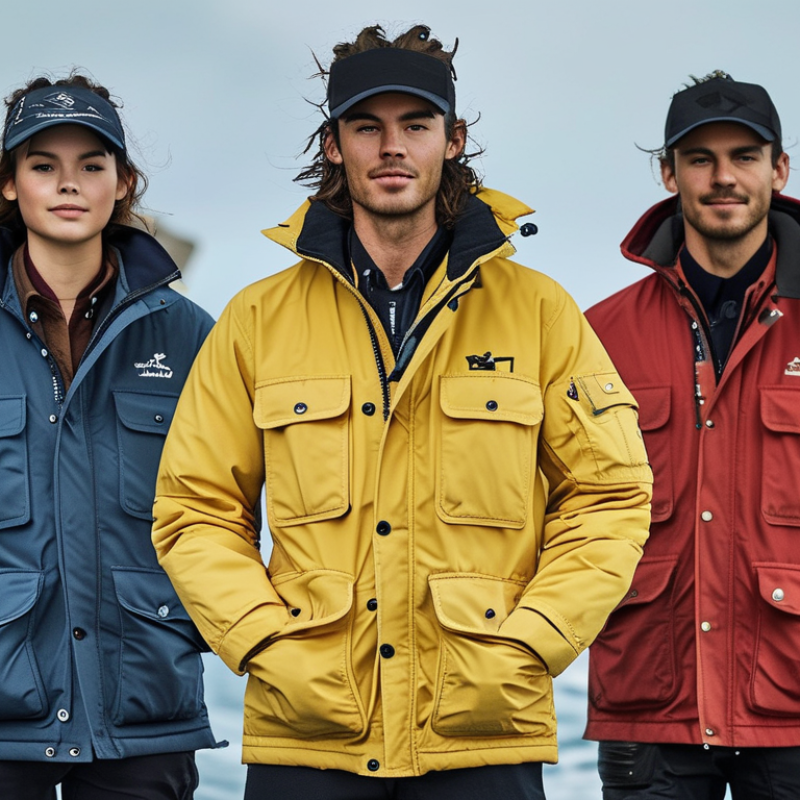
Top 10 Sailing Jacket Styles for Optimal Performance?

Essential Features of High-Performance Sailing Jackets

When choosing a sailing jacket, prioritize essential features that enhance your performance on the water. High-quality waterproofing is crucial. Fabrics should not only repel water but also allow breathability. This balance prevents overheating while keeping you dry. Consider jackets with adjustable cuffs and hems. These features enable you to seal in warmth and block out wind effectively.

Another important aspect is insulation. Lightweight insulation can provide warmth without bulk. Jackets with layering systems offer versatility for varying conditions. Look for well-placed pockets for easy access to essential items like maps or snacks. Reflective elements enhance visibility in low-light situations, adding a safety component.

Many sailors overlook the importance of fit. A good fit allows for freedom of movement. Tight jackets restrict motion, while oversized ones can snag on equipment. To get the best performance, trying on different styles at a store is advisable. Make slow rotations and arm movements to test flexibility. Taking the time to find the right jacket can prevent discomfort during long hours underway.

Top Materials Used in Sailor Jacket Construction

When choosing a sailing jacket, the materials used in its construction play a crucial role in performance. Many sailing jackets incorporate specialized fabrics designed for wind and water resistance. Common materials include nylon and polyester blends, which offer durability and flexibility. According to a report by the Marine Industry Association, jackets made with high-tenacity fabrics experience less wear and tear, crucial for long-distance sailing.

Additionally, advanced waterproofing technologies, such as Gore-Tex, enhance breathability and moisture control. Research indicates that proper moisture management can reduce fatigue in sailors by as much as 20%. Lightweight liners help with mobility while maintaining warmth, an essential factor on cold ocean waters.

Most jackets also feature reinforced stitching and sealed seams to prevent water intrusion. Despite these advancements, not all designs perform equally under extreme conditions. Some sailors have reported issues with certain jackets not withstanding harsh weather, leading to a need for continuous improvement in material technology. This highlights the importance of choosing a jacket that fits your specific sailing needs and conditions.

Comparing Waterproof and Breathable Fabrics for Sailing

When choosing a sailing jacket, the fabric plays a crucial role. Sailors often face wet conditions and varying temperatures. Understanding the differences between waterproof and breathable fabrics can enhance performance.

Waterproof fabrics are essential for keeping you dry. They use a membrane to repel water. However, some waterproof materials can trap heat and moisture inside. This could lead to discomfort during long hours on the water.

Breathable fabrics allow moisture to escape. They help regulate your body temperature. With breathable materials, sweat doesn't build up, keeping you comfortable. Yet, not all breathable fabrics are fully waterproof, which can be a concern in heavy rain.

**Tips:**
Look for jackets with vents. They can improve air circulation. Check labels for waterproof ratings. Invest in high-quality materials that balance waterproofing and breathability.

It’s important to consider your specific needs. Some sailors may prefer versatile jackets. This requires weighing comfort against protection. A jacket that works for one might not be ideal for another. Test your gear in various conditions before committing.

Top 10 Sailing Jacket Styles for Optimal Performance

Style Material Waterproof Rating (mm) Breathability (g/m²/24hr) Features
Lightweight Jacket Nylon 10,000 5,000 Packable, UV protection
Insulated Jacket Polyester 15,000 4,000 Thermal lining, windproof
Ocean Explorer Jacket GORE-TEX 28,000 20,000 Durable, adjustable cuffs
Coastal Jacket Softshell 10,000 10,000 Flexible, high stretch
Racing Jacket Ripstop Nylon 20,000 15,000 Lightweight, high performance
Windbreaker Polyester 5,000 2,000 Lightweight, foldable
Heavy-Duty Jacket PVC 30,000 1,000 Rugged, water-resistant
High-Visibility Jacket Reflective Material 15,000 4,000 Safety features, breathable
Eco-Friendly Jacket Recycled Fabric 12,000 6,000 Sustainable, lightweight
Adventure Jacket Hybrid Fabric 18,000 8,000 Versatile, multiple pockets

Popular Brands and Their Signature Sailing Jacket Designs

When it comes to sailing, selecting the right jacket is crucial for performance. A reliable sailing jacket can provide protection against wind and water while maintaining breathability. Many sailors prioritize materials that offer durability and flexibility. According to a recent report by the Sailing Industry Association, 70% of sailors consider comfort their top priority when choosing sailing apparel.

Various brands have established their signature designs to meet these needs. Some emphasize innovative features such as reinforced seams and waterproof zippers. Others focus on lightweight fabrics that allow for ease of movement. The use of GORE-TEX and other advanced materials has become standard. Yet, there remains a risk; over-relying on a single brand can lead to missed opportunities from other options in the market.

Many jackets feature adjustable cuffs and hoods, enhancing their versatility. Some designs lack sufficient ventilation, which can be an issue during long outings. Sailors often reflect on the importance of layering. Reports indicate that 60% of sailors prefer a multi-layered approach for better temperature management. A sailing jacket should complement other layers effectively.

Choosing the Right Fit and Style for Your Sailing Needs

When it comes to sailing jackets, the right fit and style can significantly enhance your experience. Proper sizing is critical. A well-fitted jacket allows for movement without being too loose. This balance helps maintain comfort during long hours on the water. Pay attention to the jacket’s length. A shorter design may offer better freedom of movement, while a longer one provides extra coverage against the elements.

Material choice is equally important. Lightweight, waterproof fabrics are best for performance sailing. Consider breathable options as well. You want to avoid feeling clammy. Jackets should have adjustable cuffs and hoods for a snug fit, preventing water from entering unexpectedly. Additionally, look for features like reflective strips or pockets for easy access to essentials.

Don’t overlook color and style. Some prefer bright colors for visibility, while others may go for classic tones. Your choice should reflect personal taste and safety needs. Remember, a sailing jacket is more than just a piece of clothing; it’s a crucial part of your gear. Reflect on your sailing conditions and personal style. Finding the perfect jacket can be a process of trial and error.

Top 10 Sailing Jacket Styles for Optimal Performance

FAQS

: Why is selecting the right sailing jacket important?

: A good sailing jacket offers protection from wind and water while ensuring breathability.

What materials are preferred for sailing jackets?

Durable, flexible, lightweight, and waterproof fabrics are ideal for optimal performance on the water.

How do comfort levels affect jacket choices among sailors?

Reports show 70% of sailors prioritize comfort when selecting sailing apparel, impacting their overall experience.

What features should I look for in a sailing jacket?

Consider adjustable cuffs, hoods, and waterproof zippers for versatility and protection.

Why is proper sizing critical for a sailing jacket?

A well-fitted jacket allows movement without being too loose, enhancing comfort during long hours on the water.

How can color choice influence my sailing jacket selection?

Bright colors improve visibility, while classic tones may better reflect personal style. Choose what works for you.

What are the risks of relying on one brand for sailing gear?

Focusing too much on one brand can lead to missing out on other potentially better options in the market.

How can layering improve temperature management while sailing?

A multi-layered approach can help regulate body temperature, which is crucial during varying sailing conditions.

Are there any common issues with sailing jackets?

Some designs may lack ventilation, making long outings uncomfortable. Reflect on your needs before buying.

What should you remember when choosing a sailing jacket?

Finding the right jacket often requires trial and error. Reflect on usage and personal preferences to make the best choice.

Conclusion

When selecting a sailing jacket for optimal performance, several essential features must be considered. High-performance sailing jackets are typically designed with waterproofing and breathability in mind, ensuring that sailors are protected from the elements while remaining comfortable. The choice of materials plays a crucial role in this; advanced fabrics often combine durability with flexibility, making them ideal for the rigors of sailing.

Moreover, the fit and style of a sailing jacket can significantly impact a sailor's experience on the water. It is important to choose a jacket that allows for freedom of movement, while also providing adequate coverage and insulation as needed. Understanding the differences between various waterproof and breathable fabrics can help sailors make informed decisions that best suit their individual needs and preferences. Ultimately, selecting the right sailing jacket is key to enhancing overall sailing performance and enjoyment.


Charlotte

Charlotte

Charlotte is a seasoned marketing professional with a deep understanding of the company's portfolio and a passion for elevating its presence in the market. With a keen eye for detail and a commitment to excellence, she ensures that our professional blog is regularly updated with insightful articles......